
Flux 与 Midjourney:2026 年哪种 AI 图像生成器更好?
For more details, visit Hootsuite social media blog
Why I Tested Both Flux and Midjourney in 2026
Over the past few months, I have spent dozens of hours generating thousands of images across two of the most talked-about AI image generators: Flux by Black Forest Labs and Midjourney, the longtime favorite of designers and creatives. I wanted to find out which one truly delivers better results for real work. If you are deciding where to invest your time and money in 2026, this comparison gives you practical, honest answers.
I tested both on product photography, concept art, social media graphics, text rendering, and photorealistic portraits. I evaluated image quality, prompt understanding, pricing, style control, API access, speed, and licensing.
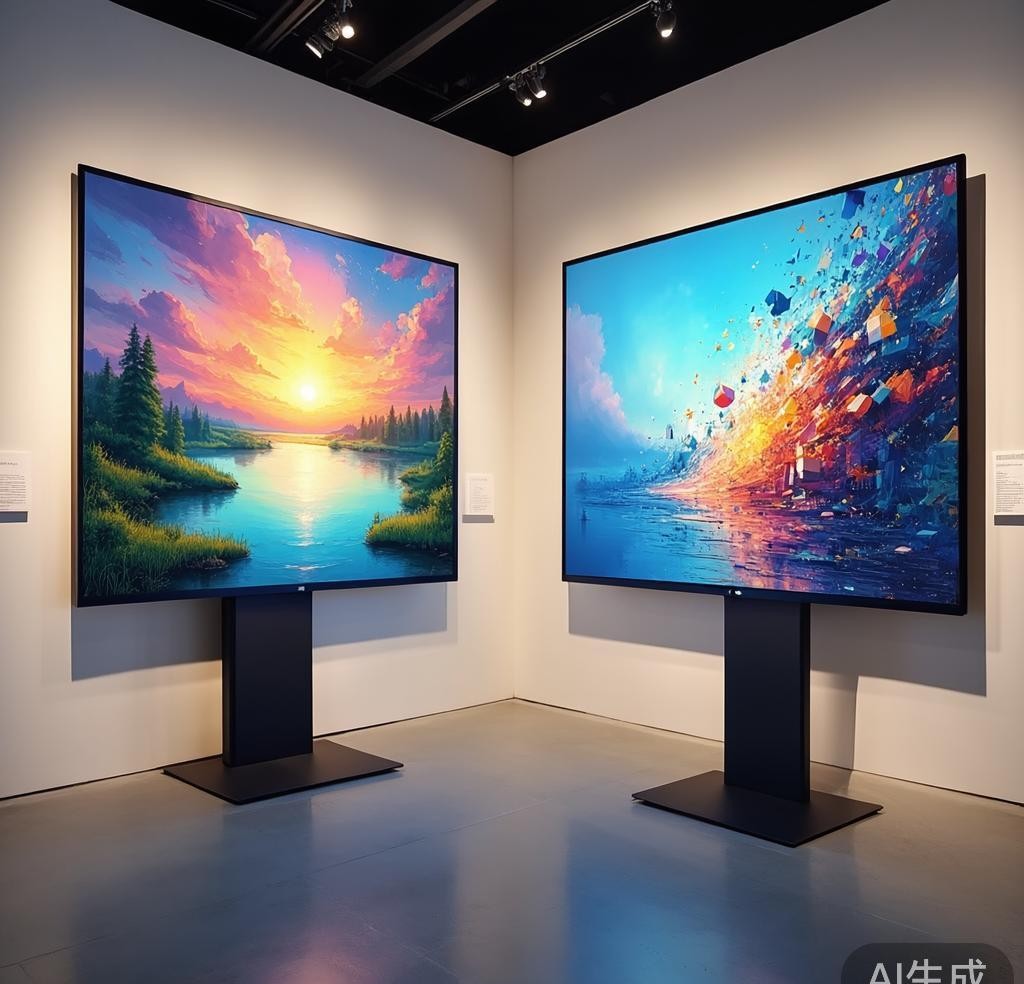
Image Quality: A Closer Look at the Output
Image quality is the single most important factor for most people choosing an AI image generator, and this is where things get genuinely interesting. Both Flux and Midjourney produce stunning visuals, but they excel in different areas.
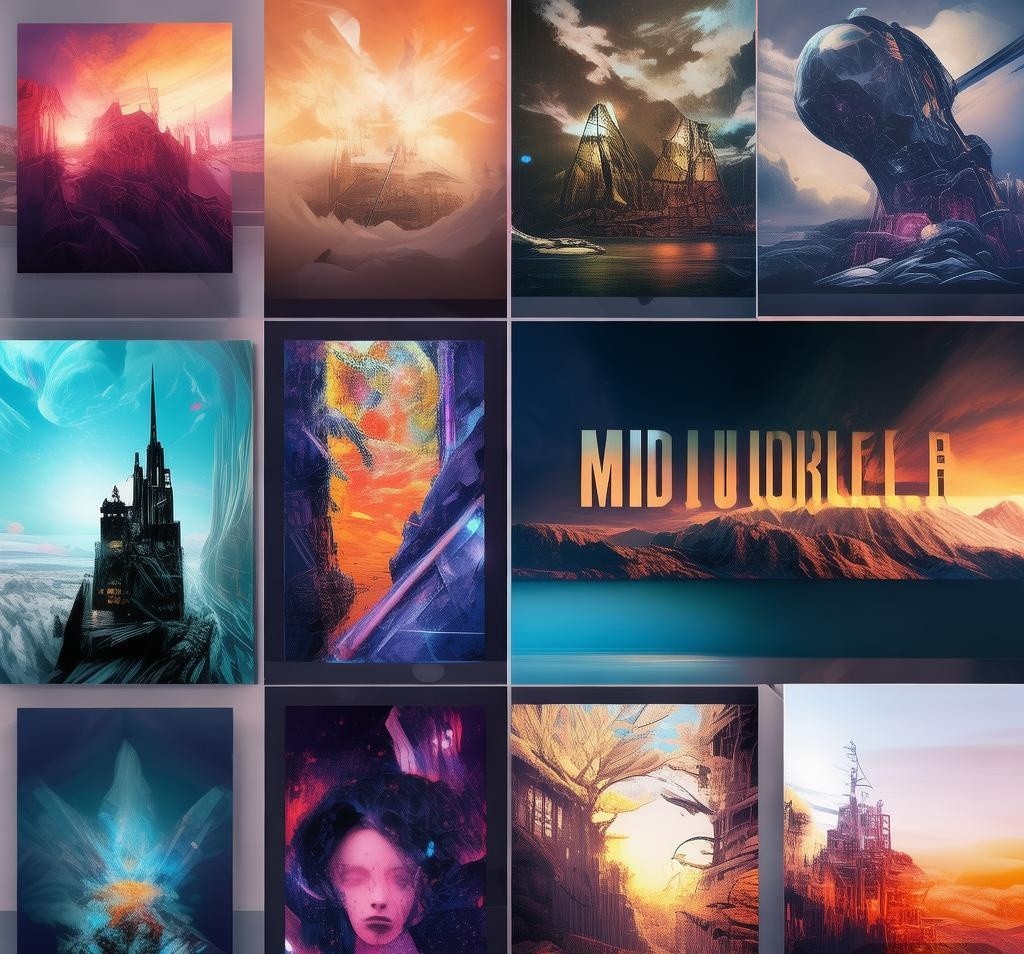
Midjourney has a distinctive aesthetic signature. Its images have a painterly, cinematic quality that makes everything look curated and polished. Colors are rich, compositions feel deliberate, and there is a moody elegance that is hard to replicate. For artistic work and mood boards, Midjourney remains strong. Version 6.1 improved photorealism, but that stylized look persists.
Flux leans harder into raw realism and technical accuracy. When I asked both tools to generate a photorealistic kitchen interior, Flux produced an image that looked like it was shot with a high-end DSLR — correct lighting, realistic textures, and believable depth. Midjourney’s result was beautiful but felt more editorial than photographic. Flux also handles fine details like text, small objects, and complex scenes with more precision.
For photorealistic product shots, I give the edge to Flux. For artistic and stylized imagery, Midjourney still holds its own. For the best raw image quality across varied subjects, Flux has pulled ahead in 2026. For more details, visit Google AI Studio.
Prompt Understanding: Who Follows Instructions Better
Prompt adherence is where I noticed the biggest gap. This matters more than most people realize — if the model cannot follow your instructions, you waste time re-rolling and re-prompting.
Flux uses a multimodal architecture that genuinely understands complex prompts. I tested with: “A golden retriever sitting on a red velvet couch in a sunlit living room, wearing a tiny blue bow tie, with books on the coffee table, shot from a low angle.” Flux nailed nearly every element — the breed, couch color, bow tie, books, and camera angle. Eight out of ten generations included all elements correctly.
Midjourney handled simpler prompts well but struggled with multi-element compositions. In the same test, it frequently dropped the bow tie or ignored the camera angle. Midjourney interprets prompts more artistically, sometimes prioritizing aesthetics over accuracy — great for exploration, frustrating when you need specific elements.
For users who need precise control over image content, Flux is the clear winner in prompt understanding. Midjourney is better suited for exploratory creative work where you are happy to let the model surprise you.
定价比较:哪一个适合您的预算
定价结构根本不同,正确的选择取决于您计划如何使用它们。
Midjourney 采用简单的订阅模式。您支付月费并获得一定数量的快速生成。基本套餐价格为 10 美元/月,可为您提供大约 200 次快速生成,对于休闲使用来说还算不错。标准套餐价格为 30 美元/月,包括 15 个快速小时和无限次的轻松世代,这对于大多数普通用户来说是最佳选择。
Flux 更灵活,但价格复杂。作为开放权重模型,您可以通过 Replicate、Fal.ai、Together AI 等访问它,每个模型的定价都不同。您还可以自行托管,在 GPU 投资后,每个图像的成本几乎为零。对于 Pro 型号,自托管至少需要 24GB VRAM – 至少是 RTX 3090 或 4090。
对于可预测的成本,中途更容易。就灵活性和大规模降低成本而言,Flux 胜出。
样式控制和自定义
风格控制对于专业工作流程至关重要,而这两种工具对此的处理方式有所不同。
中途提供强大的内置样式参数。 --style raw 参数减少了默认的风格化。 --stylize(0 到 1000)控制艺术解释。 --weird 支持实验输出,--chaos 增加变化。个性化功能可让您培养自定义风格——这对于品牌工作来说是值得注意的。
Flux 采用了更具技术性但更灵活的方法。由于权重是开放的,您可以使用 LoRA(低阶适应)对自己的数据集进行微调 – 训练特定的艺术风格、角色一致性或品牌美学。该社区在 Civitai 上制作了数千个经过微调的模型。您还可以获得指导比例、负面提示和种子控制以进行精确调整。
对于简单的开箱即用控制,Midjourney 获胜。对于深度定制,Flux 是无与伦比的。
API 访问和集成
对于使用 AI 图像生成功能构建产品的开发人员来说,API 访问权限是不容协商的。
Flux 由于其开放重量性质而具有显着的优势。您不会被某一家提供商所束缚。您可以通过 BFL 运行它
Midjourney launched its official API in 2024. It works well and is documented, but you depend entirely on Midjourney’s infrastructure. No self-hosting options exist, and third-party integrations are limited compared to Flux’s rich ecosystem.
For maximum flexibility, Flux is the obvious choice. For simpler needs, Midjourney’s API works fine.
Generation Speed and Workflow Efficiency
Speed matters when iterating on designs or generating at scale.
In my testing, Midjourney on a Standard plan generates a 2×2 grid in 30 to 60 seconds. Upscaling takes an additional 10 to 20 seconds. The Discord-based workflow is intuitive for casual use but cumbersome for professional workflows. The web interface improves this significantly.
Flux generation times vary by setup. On cloud platforms, a 1024×1024 Flux Pro image takes 5 to 15 seconds. The Schnell model generates in under 3 seconds. Self-hosting on an RTX 4090, Schnell is nearly instant while Pro takes 10 to 20 seconds depending on resolution.
For raw speed, Flux Schnell is faster. For workflow convenience, Midjourney’s polished interface has an edge for non-technical users.
Licensing and Commercial Use
Licensing terms matter, especially for commercial use.
Midjourney’s terms are straightforward. With a paid subscription, you own generated images for commercial use. No per-image royalties or usage restrictions. However, you do not own the model, and terms can change.
Flux’s licensing depends on access method. The Schnell model uses Apache 2.0; the Pro model uses a custom license permitting commercial use with restrictions. Third-party APIs have their own terms. Self-hosting gives maximum freedom — unlimited images with strong legal protection.
For maximum licensing freedom, self-hosted Flux wins. For simplicity, Midjourney works fine.
Text Rendering and Typography
The gap is particularly noticeable in text rendering — generating legible, correctly spelled text within images.
Flux has impressive text rendering. I tested with prompts like “A neon sign reading ‘OPEN 24 HOURS’ on a brick wall” and “A coffee shop menu board with ‘Espresso, Latte, Cappuccino’ in chalk.” Flux produced accurate, legible text with correct spelling. Typography was occasionally inconsistent but always readable.
Midjourney has improved but still lags. Short words like “OPEN” render correctly most of the time, but longer phrases and complex typography remain hit-or-miss. I frequently encountered misspellings and garbled text.
For reliable text in images — social media graphics, mockups, signage — Flux is the clear choice.
Community and Ecosystem
The community around an AI tool matters. It affects tutorial quality, custom model availability, and problem-solving speed.
Midjourney has one of the largest AI art communities. The official Discord has millions of members, with extensive prompt guides and style references. Weekly challenges and showcases make it feel like a creative platform, not just a tool.
Flux has a rapidly growing community among open-source AI and developer crowds. Hugging Face, Civitai, and GitHub are filled with fine-tunes, LoRA adapters, and technical guides. Discussions focus on model architecture, training, and optimization — valuable for users who want deep customization.
Both communities are strong but serve different audiences: Midjourney for creatives, Flux for developers.
Head-to-Head Feature Comparison
Here is a quick-reference summary across all tested categories.
| Category | Winner | Notes |
|---|---|---|
| Image Quality (Photorealism) | Flux | More accurate textures, lighting, and detail |
| Image Quality (Artistic) | Midjourney | Signature cinematic aesthetic |
| Prompt Understanding | Flux | Better multi-element adherence |
| Pricing (Casual Use) | Comparable | Midjourney simpler, Flux more flexible |
| Style Control | Flux | Open weights enable deep customization |
| API Access | Flux | Self-hosting and multiple providers |
| Generation Speed | Flux | Schnell model is extremely fast |
| Licensing Freedom | Flux | Apache 2.0 for Schnell model |
| Text Rendering | Flux | Reliable, legible text output |
| Ease of Use | Midjourney | Polished interface, no technical setup |
| Community (Creative) | Midjourney | Larger creative community |
Which One Should You Choose in 2026
After weeks of testing, my conclusion is clear: Flux is the better overall AI image generator in 2026, particularly for users who need precision, photorealism, text rendering, or API integration. Its open-weight approach gives it an edge that will only grow.
Midjourney is still excellent for certain users. If you want a polished, easy-to-use tool with a beautiful default aesthetic and no technical setup, Midjourney delivers. It remains my recommendation for creatives who prioritize visual beauty over technical accuracy.
Check out our dedicated Midjourney review and our Midjourney vs DALL-E 3 comparison for more context.
If you are a developer or need reliable image generation at scale, start with Flux. If you are a creative who values aesthetic quality and ease of use, Midjourney will serve you well. If you can afford it, use both — each excels where the other falls short.
Frequently Asked Questions
Which tool is better for beginners?
For beginners, the tool with the most intuitive interface and free tier is usually the best starting point. Most of the tools covered in this article offer free plans or trials, so you can test them before committing to a paid subscription.
Are these tools worth paying for?
It depends on your use case. If you use the tool daily for professional work, the paid versions typically offer significantly better output quality, faster processing, and more features. For occasional use, the free tiers are often sufficient.
Can I use multiple tools together?
Yes, many professionals combine tools for different tasks. For example, you might use one tool for initial drafts and another for refinement. The key is understanding each tool’s strengths and using them accordingly.
How often do these tools update?
Most AI tools release updates every few weeks, with major feature updates quarterly. Pricing and features can change frequently, so it’s worth checking their official websites for the latest information.
Recommended AI Tools
If you found this article helpful, you might also want to explore these tools:
Disclosure: This article was generated using AI tools and reviewed by our editorial team for accuracy and quality.
- OpenBuckets - AI-powered platform to find and secure o
- ChatShelf - Save ChatGPT to Notion - A tool to sync, manage, and repurpose Ch
- Kili - AI assistant for businesses, managing bi
- Automate Your Image with Bannerify - Automated image generation API for socia