
Flux vs Midjourney: ¿Qué generador de imágenes con IA es mejor en 2026?
For more details, visit Hootsuite social media blog
Why I Tested Both Flux and Midjourney in 2026
Over the past few months, I have spent dozens of hours generating thousands of images across two of the most talked-about AI image generators: Flux by Black Forest Labs and Midjourney, the longtime favorite of designers and creatives. I wanted to find out which one truly delivers better results for real work. If you are deciding where to invest your time and money in 2026, this comparison gives you practical, honest answers.
I tested both on product photography, concept art, social media graphics, text rendering, and photorealistic portraits. I evaluated image quality, prompt understanding, pricing, style control, API access, speed, and licensing.
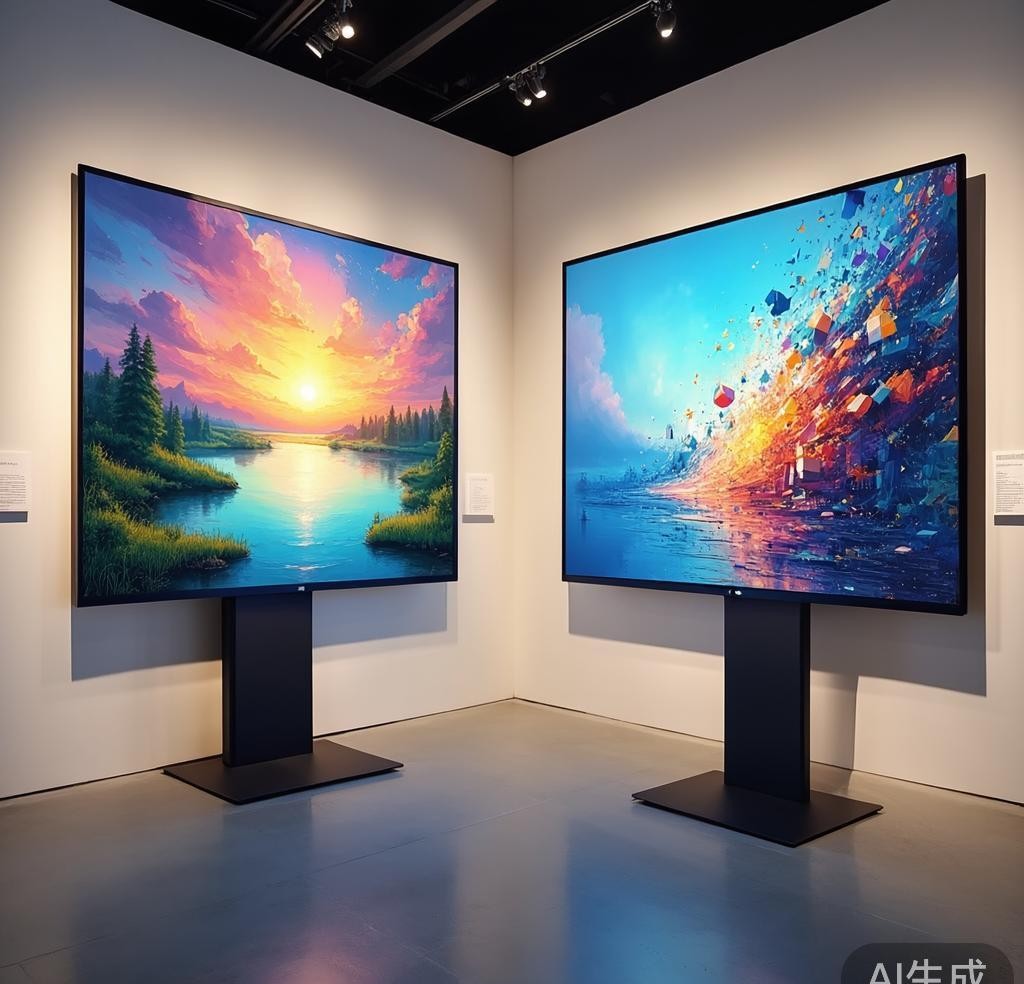
Image Quality: A Closer Look at the Output
Image quality is the single most important factor for most people choosing an AI image generator, and this is where things get genuinely interesting. Both Flux and Midjourney produce stunning visuals, but they excel in different areas.
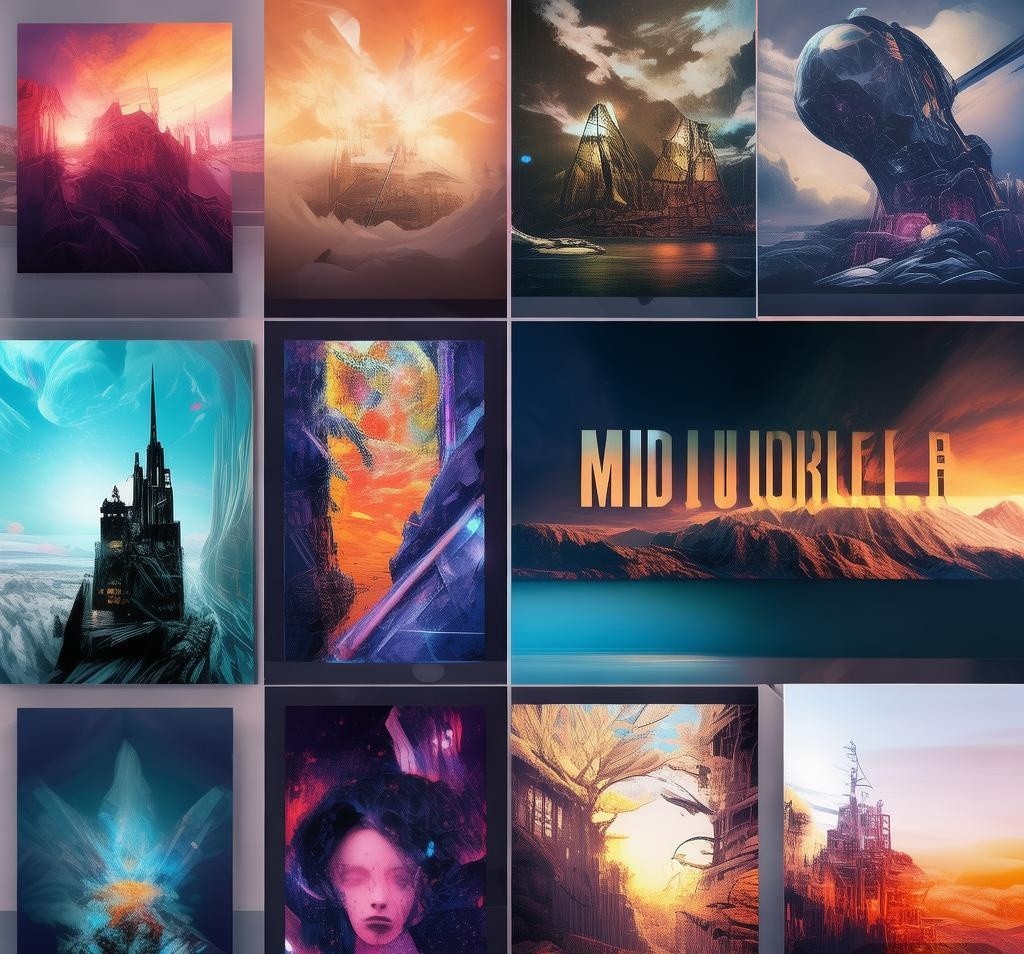
Midjourney has a distinctive aesthetic signature. Its images have a painterly, cinematic quality that makes everything look curated and polished. Colors are rich, compositions feel deliberate, and there is a moody elegance that is hard to replicate. For artistic work and mood boards, Midjourney remains strong. Version 6.1 improved photorealism, but that stylized look persists.
Flux leans harder into raw realism and technical accuracy. When I asked both tools to generate a photorealistic kitchen interior, Flux produced an image that looked like it was shot with a high-end DSLR — correct lighting, realistic textures, and believable depth. Midjourney’s result was beautiful but felt more editorial than photographic. Flux also handles fine details like text, small objects, and complex scenes with more precision.
For photorealistic product shots, I give the edge to Flux. For artistic and stylized imagery, Midjourney still holds its own. For the best raw image quality across varied subjects, Flux has pulled ahead in 2026. For more details, visit Google AI Studio.
Prompt Understanding: Who Follows Instructions Better
Prompt adherence is where I noticed the biggest gap. This matters more than most people realize — if the model cannot follow your instructions, you waste time re-rolling and re-prompting.
Flux uses a multimodal architecture that genuinely understands complex prompts. I tested with: “A golden retriever sitting on a red velvet couch in a sunlit living room, wearing a tiny blue bow tie, with books on the coffee table, shot from a low angle.” Flux nailed nearly every element — the breed, couch color, bow tie, books, and camera angle. Eight out of ten generations included all elements correctly.
Midjourney handled simpler prompts well but struggled with multi-element compositions. In the same test, it frequently dropped the bow tie or ignored the camera angle. Midjourney interprets prompts more artistically, sometimes prioritizing aesthetics over accuracy — great for exploration, frustrating when you need specific elements.
For users who need precise control over image content, Flux is the clear winner in prompt understanding. Midjourney is better suited for exploratory creative work where you are happy to let the model surprise you.
Comparación de precios: cuál se ajusta a su presupuesto
Las estructuras de precios son fundamentalmente diferentes y la elección correcta depende de cómo planeas usarlas.
Midjourney opera con un modelo de suscripción sencillo. Pagas una tarifa mensual y obtienes un número determinado de generaciones rápidas. El plan Básico a $10/mes te ofrece aproximadamente 200 generaciones rápidas, lo cual es decente para uso ocasional. El plan Estándar de $30 al mes incluye 15 horas rápidas y generaciones relajadas ilimitadas, que es el punto óptimo para la mayoría de los usuarios habituales.
Flux es más flexible pero complejo en cuanto a precios. Como modelo abierto, puede acceder a él a través de Replicate, Fal.ai, Together AI y otros, cada uno con precios diferentes. También puede realizar el autohospedaje, lo que reduce el costo por imagen a casi cero después de su inversión en GPU. El autohospedaje requiere al menos 24 GB de VRAM para el modelo Pro: un RTX 3090 o 4090 como mínimo.
Para costos predecibles, Midjourney es más fácil. Por flexibilidad y menores costos a escala, Flux gana.
Control de estilo y personalización
El control de estilo es fundamental para los flujos de trabajo profesionales y las dos herramientas lo abordan de manera diferente.
Midjourney ofrece potentes parámetros de estilo integrados. El parámetro --style raw reduce la estilización predeterminada. --stylize (0 a 1000) controla la interpretación artística. --weird permite resultados experimentales y --chaos aumenta la variación. La función de personalización te permite crear un estilo personalizado, algo digno de mención para el trabajo de marca.
Flux adopta un enfoque más técnico pero flexible. Dado que los pesos están abiertos, puedes ajustar tus propios conjuntos de datos utilizando LoRA (adaptación de bajo rango): entrenando estilos artísticos específicos, consistencia de personajes o estética de marca. La comunidad ha producido miles de modelos perfeccionados en Civitai. También obtienes escala de orientación, indicaciones negativas y control de semillas para un ajuste preciso.
Para controles sencillos y listos para usar, Midjourney gana. Para una personalización profunda, Flux es incomparable.
Acceso e integración de API
Para los desarrolladores que crean productos con generación de imágenes de IA, el acceso a la API no es negociable.
Flux tiene una ventaja significativa debido a su naturaleza de peso abierto. No está limitado a un solo proveedor. Puedes ejecutarlo a través de BFL
Midjourney launched its official API in 2024. It works well and is documented, but you depend entirely on Midjourney’s infrastructure. No self-hosting options exist, and third-party integrations are limited compared to Flux’s rich ecosystem.
For maximum flexibility, Flux is the obvious choice. For simpler needs, Midjourney’s API works fine.
Generation Speed and Workflow Efficiency
Speed matters when iterating on designs or generating at scale.
In my testing, Midjourney on a Standard plan generates a 2×2 grid in 30 to 60 seconds. Upscaling takes an additional 10 to 20 seconds. The Discord-based workflow is intuitive for casual use but cumbersome for professional workflows. The web interface improves this significantly.
Flux generation times vary by setup. On cloud platforms, a 1024×1024 Flux Pro image takes 5 to 15 seconds. The Schnell model generates in under 3 seconds. Self-hosting on an RTX 4090, Schnell is nearly instant while Pro takes 10 to 20 seconds depending on resolution.
For raw speed, Flux Schnell is faster. For workflow convenience, Midjourney’s polished interface has an edge for non-technical users.
Licensing and Commercial Use
Licensing terms matter, especially for commercial use.
Midjourney’s terms are straightforward. With a paid subscription, you own generated images for commercial use. No per-image royalties or usage restrictions. However, you do not own the model, and terms can change.
Flux’s licensing depends on access method. The Schnell model uses Apache 2.0; the Pro model uses a custom license permitting commercial use with restrictions. Third-party APIs have their own terms. Self-hosting gives maximum freedom — unlimited images with strong legal protection.
For maximum licensing freedom, self-hosted Flux wins. For simplicity, Midjourney works fine.
Text Rendering and Typography
The gap is particularly noticeable in text rendering — generating legible, correctly spelled text within images.
Flux has impressive text rendering. I tested with prompts like “A neon sign reading ‘OPEN 24 HOURS’ on a brick wall” and “A coffee shop menu board with ‘Espresso, Latte, Cappuccino’ in chalk.” Flux produced accurate, legible text with correct spelling. Typography was occasionally inconsistent but always readable.
Midjourney has improved but still lags. Short words like “OPEN” render correctly most of the time, but longer phrases and complex typography remain hit-or-miss. I frequently encountered misspellings and garbled text.
For reliable text in images — social media graphics, mockups, signage — Flux is the clear choice.
Community and Ecosystem
The community around an AI tool matters. It affects tutorial quality, custom model availability, and problem-solving speed.
Midjourney has one of the largest AI art communities. The official Discord has millions of members, with extensive prompt guides and style references. Weekly challenges and showcases make it feel like a creative platform, not just a tool.
Flux has a rapidly growing community among open-source AI and developer crowds. Hugging Face, Civitai, and GitHub are filled with fine-tunes, LoRA adapters, and technical guides. Discussions focus on model architecture, training, and optimization — valuable for users who want deep customization.
Both communities are strong but serve different audiences: Midjourney for creatives, Flux for developers.
Head-to-Head Feature Comparison
Here is a quick-reference summary across all tested categories.
| Category | Winner | Notes |
|---|---|---|
| Image Quality (Photorealism) | Flux | More accurate textures, lighting, and detail |
| Image Quality (Artistic) | Midjourney | Signature cinematic aesthetic |
| Prompt Understanding | Flux | Better multi-element adherence |
| Pricing (Casual Use) | Comparable | Midjourney simpler, Flux more flexible |
| Style Control | Flux | Open weights enable deep customization |
| API Access | Flux | Self-hosting and multiple providers |
| Generation Speed | Flux | Schnell model is extremely fast |
| Licensing Freedom | Flux | Apache 2.0 for Schnell model |
| Text Rendering | Flux | Reliable, legible text output |
| Ease of Use | Midjourney | Polished interface, no technical setup |
| Community (Creative) | Midjourney | Larger creative community |
Which One Should You Choose in 2026
After weeks of testing, my conclusion is clear: Flux is the better overall AI image generator in 2026, particularly for users who need precision, photorealism, text rendering, or API integration. Its open-weight approach gives it an edge that will only grow.
Midjourney is still excellent for certain users. If you want a polished, easy-to-use tool with a beautiful default aesthetic and no technical setup, Midjourney delivers. It remains my recommendation for creatives who prioritize visual beauty over technical accuracy.
Check out our dedicated Midjourney review and our Midjourney vs DALL-E 3 comparison for more context.
If you are a developer or need reliable image generation at scale, start with Flux. If you are a creative who values aesthetic quality and ease of use, Midjourney will serve you well. If you can afford it, use both — each excels where the other falls short.
Frequently Asked Questions
Which tool is better for beginners?
For beginners, the tool with the most intuitive interface and free tier is usually the best starting point. Most of the tools covered in this article offer free plans or trials, so you can test them before committing to a paid subscription.
Are these tools worth paying for?
It depends on your use case. If you use the tool daily for professional work, the paid versions typically offer significantly better output quality, faster processing, and more features. For occasional use, the free tiers are often sufficient.
Can I use multiple tools together?
Yes, many professionals combine tools for different tasks. For example, you might use one tool for initial drafts and another for refinement. The key is understanding each tool’s strengths and using them accordingly.
How often do these tools update?
Most AI tools release updates every few weeks, with major feature updates quarterly. Pricing and features can change frequently, so it’s worth checking their official websites for the latest information.
Recommended AI Tools
If you found this article helpful, you might also want to explore these tools:
Disclosure: This article was generated using AI tools and reviewed by our editorial team for accuracy and quality.
- Kloud Chat: AI Assistant - AI companion app with ChatGPT-4, image g
- Gemini AI - Chrome extension for instant chat with G
- Shulex AI Listing Optimization - Amazon - AI assistant for commerce businesses, im
- ChatGPTDeutsch - A platform providing access to ChatGPT i