
SEO de YouTube después de las últimas actualizaciones de algoritmos: qué genera vistas ahora
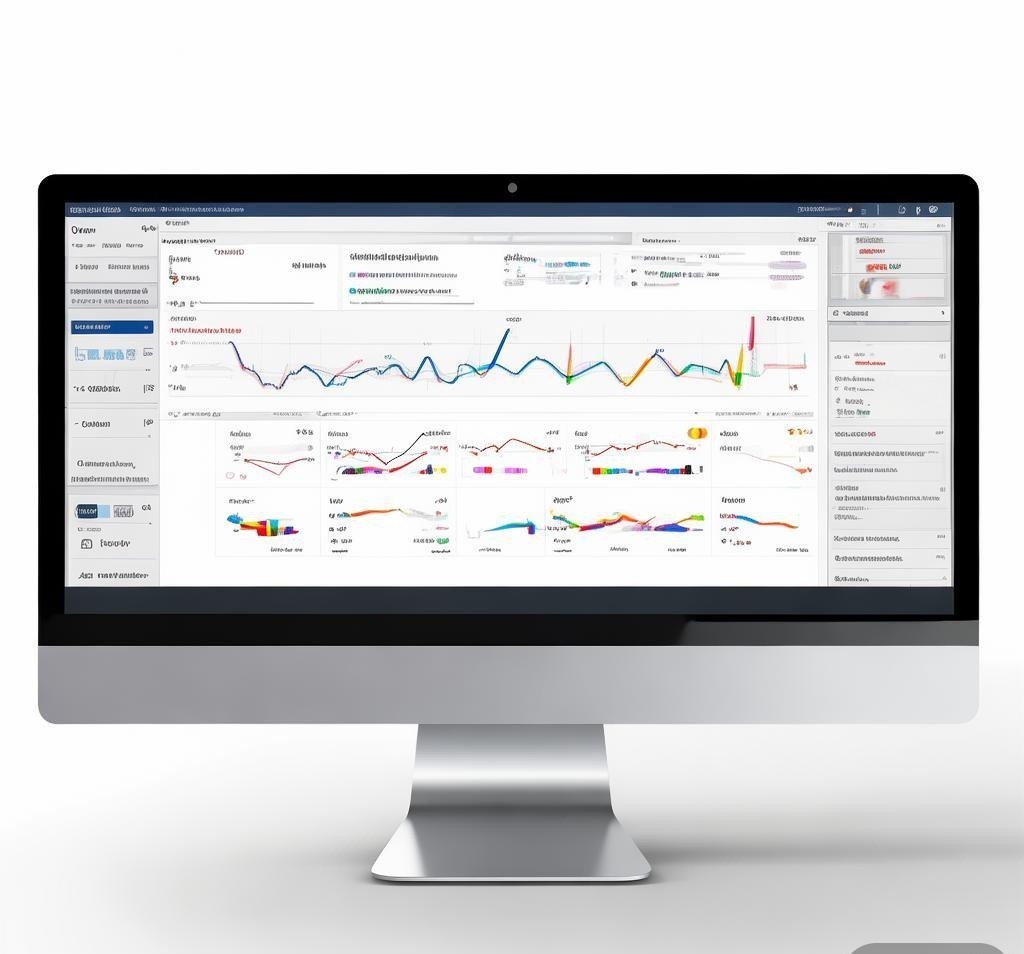
INVALID LANGUAGE PAIR SPECIFIED. EXAMPLE: LANGPAIR=EN|IT USING 2 LETTER ISO OR RFC3066 LIKE ZH-CN. ALMOST ALL LANGUAGES SUPPORTED BUT SOME MAY HAVE NO CONTENT
| Tool | Volume Data | Competition Score | Long-Tail Suggestions | Price |
|---|---|---|---|---|
| Tubebuddy | YouTube-native | Yes (1–99) | Yes | $9/mo |
| VidIQ | YouTube + Google | Yes (0–100) | Yes | $7.50/mo |
| Ahrefs | Google (YT filter) | KD score | Yes | $99/mo |
| Semrush | Google (YT filter) | KD % | Yes | $119/mo |
| ChatGPT / Perplexity | No direct data | No score | Excellent for ideation | Free / $20/mo |
ChatGPT and Perplexity AI excel at generating keyword clusters and question-based variations. The most effective workflow combines a dedicated tool like VidIQ for volume data with an AI assistant for semantic expansion.
Finding Low-Competition Keywords
The most reliable method in 2026:
- Autocomplete mining: Type your topic into YouTube search and cycle through A–Z. Document all suggestions.
- Competitor gap analysis: Run top 5 niche channels through VidIQ. Filter for keywords with no video over 10,000 views.
- Comment mining: Scrape comments from popular videos for unanswered questions.
- Google PAA extraction: Query your topic, expand “People Also Ask” boxes, and filter for fewer than 5 competing YouTube results.
The sweet spot: keywords with 500–5,000 monthly searches and competition under 35. These generate 3–7x more views per video in the first 90 days.
Thumbnail Optimization
Your thumbnail drives 70–80% of your CTR. In 2026, thumbnail design is more data-driven and competitive than ever.
A/B Testing Framework
YouTube’s native A/B testing (YPP channels) lets you test up to 3 thumbnails per video, declaring a winner after 24–48 hours. Channels that consistently A/B test see 12–18% higher CTRs over time. If you’re not in YPP, run thumbnail variants as YouTube ads for $5–10 campaigns—ad CTR closely mirrors organic CTR.
Text, Color, and Composition
Thumbnail text: 3–5 words maximum, bold sans-serif font, legible at 168×94 pixels. Complement the title, don’t repeat it. Yellow or orange accents outperform neutral tones by 22% across education and tech niches. Faces with visible emotion outperform faceless thumbnails by 18–30%. Avoid blue/purple-heavy thumbnails—they blend into YouTube’s UI and underperform by 15–25%.
Title Optimization
Title optimization is about precision, not clickbait. YouTube penalizes titles generating clicks but poor retention, reducing future impression delivery across uploads.
Character Limits and Mobile Display
YouTube displays approximately 50–60 characters on mobile before truncation. Since 60–70% of traffic is mobile, front-load compelling information in the first 50 characters. Place your primary keyword within the first 5–8 words.
Numbers, Brackets, and Power Words
Titles with specific numbers perform 15–25% better. Brackets increase CTR by 8–12% by creating visual interruption. Effective bracket usage: year tags [2026], format tags [Tutorial], result tags [Case Study]. Power words that work in 2026: “proof,” “framework,” “strategy,” “exact,” “breakdown.” Overused words to avoid: “secret,” “shocking,” “exposed”—YouTube’s clickbait detection now reduces impressions for deceptive curiosity gaps.
Description and Chapter Optimization
The description serves algorithm classification, Google search indexing, and viewer information delivery.
First 200 Characters and Timestamps
YouTube displays only 150–200 characters before the fold. Write 1–2 sentences including your primary keyword naturally. Timestamps improve CTR from search by 10–15%. Format as HH:MM:SS – Chapter Title. Chapter titles should include keywords—they appear in search and can rank independently for long-tail queries.
Links and Keyword Placement
Place 1–2 internal links (to your videos/playlists) in the first 5 lines. YouTube counts outbound clicks to your own content as a positive signal. Keep total description between 1,500–3,000 characters. Place your primary keyword in the title, first 60 characters of the description, and within the first 30 seconds of spoken content—YouTube’s speech-to-text engine indexes your audio.
YouTube Shorts SEO
Shorts operate on a fundamentally different algorithm. It prioritizes swipe-through rate and completion rate over absolute watch time. A 58-second Short with 90% completion outperforms one with 50% completion regardless of total views.
Vertical Format and Keyword Strategy
Shorts must be 9:16 (1080×1920 minimum). The safe zone for text is the center 80% of the frame. Shorts titles should be 30–40 characters. Use 3–5 hashtags including one broad (#YouTubeTips) and 2–3 specific topic hashtags. Connect Shorts to long-form content using the “Related Video” feature in YouTube Studio—channels doing this see 20–35% higher subscriber conversion rates.
AI Tools for YouTube SEO
AI tools accelerate research, creation, and optimization. For broader AI content workflows, see our guide on the best AI blog post generator tools—many principles apply to video scripts.
Research, Thumbnails, and Scripts
Perplexity AI excels at surfacing trending topics. Use prompts like: “Generate 20 long-tail YouTube keywords for [topic] with search intent classification.” ChatGPT clusters keywords into content pillars—feed it 50+ keywords and ask for 8–12 topic clusters.
For thumbnails, use Midjourney or DALL-E for background concepts, then layer real photography and text in Canva. For scripts, AI accelerates outlining. Review the best AI tools for ranking to understand how AI-generated content performs when optimized—the same standards apply to video scripts. Our Surfer SEO review for 2026 covers how AI optimization platforms handle multi-format content strategies.
YouTube Studio Analytics Deep Dive
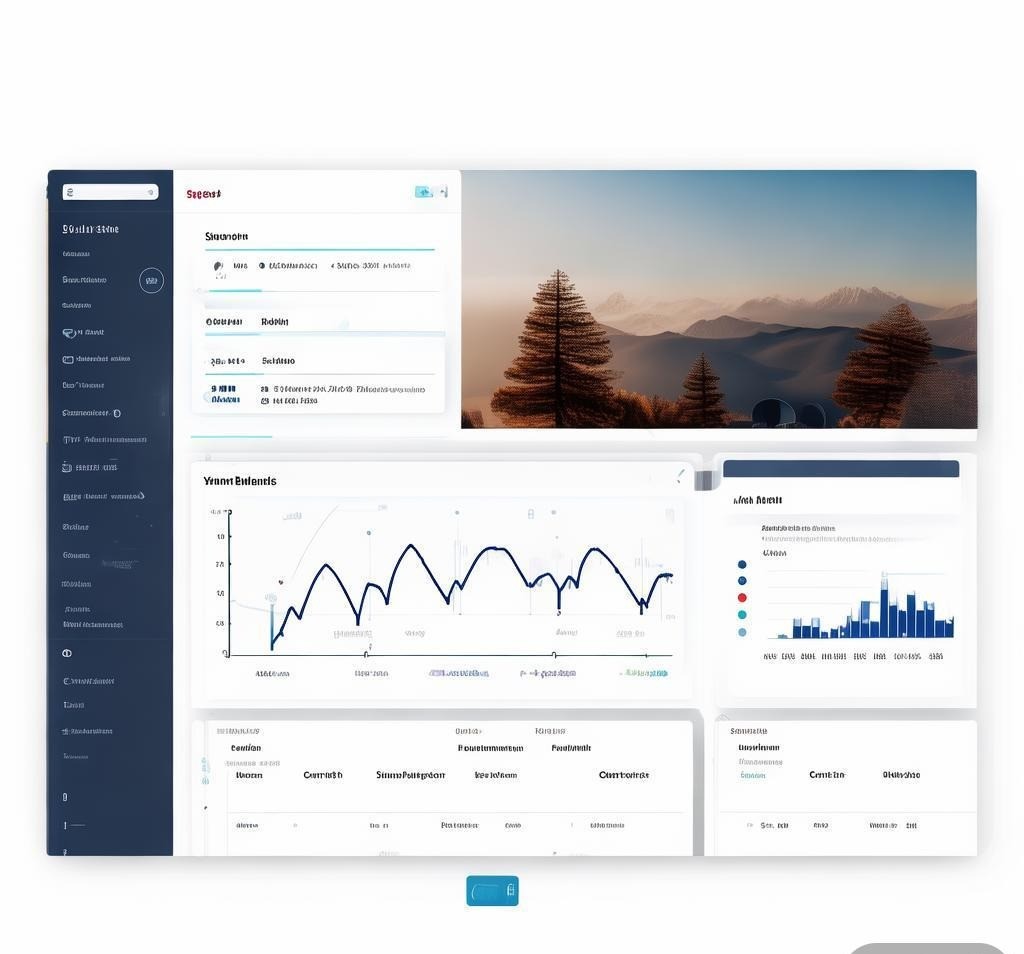
Most creators check views and stop. Here are the metrics that predict growth:
| Metric | Location | Healthy Benchmark | Action if Low |
|---|---|---|---|
| Impressions CTR | Reach tab | 5–10% | Redesign thumbnail and title |
| Average View Duration | Engagement tab | 50–60% | Improve first 30 seconds and pacing |
| Return Viewers % | Audience tab | Above 30% | Build content series and playlists |
| Search Traffic | Reach tab | Above 15% | Improve titles, descriptions, tags |
| RPM | Revenue tab | $4–18 (varies) | Optimize for high-CPM topics |
Check Realtime within 2 hours of publishing. Your CTR trajectory in the first 60 minutes predicts 24-hour performance with roughly 70% accuracy. If CTR is below your average after 500+ impressions, update your thumbnail immediately.
Playlist Strategy for Session Time
Playlists are YouTube’s most underutilized SEO feature. Channels with organized playlists generate 2–3x more watch time per subscriber.
Playlist Architecture
- Sequential tutorials: Step-by-step courses. Place your strongest video first for hook value.
- Topical collections: Themed standalone videos. Order by popularity.
- Viewer journey playlists: Curated paths combining your best content across categories.
Write playlist titles with keywords and specificity: “YouTube SEO 2026: Complete Optimization Tutorial Series (12 Videos)” ranks for multiple keyword variations. Add 150–300 character descriptions with keywords—YouTube indexes these independently. Custom playlist thumbnails increase CTR by 10–15%.
Engagement Signals and Community Tab
Reply to comments within 2 hours of publishing. YouTube detects creator-commenter interaction and boosts engagement velocity. Aim for 10–15 replies in the first 24 hours. Pin a specific question to seed discussion—this generates 40–60% more comments.
Community tab posts with polls generate 3–5x more engagement than text-only posts. Post 3–5 times per week to see 12–20% higher video impressions on your next upload. Configure end screens on every video with a subscribe button and one video/playlist link—this increases session time contribution by 5–8%.
Monetization and SEO Impact
YouTube’s 2026 requirements: 500 subscribers, 3,000 public watch hours, and either 3 million Shorts views in 90 days or 3 million watch hours in 12 months.
Watch Hour and RPM Optimization
Long-form content between 8–15 minutes is optimal for accumulating watch hours. A 12-minute video at 55% AVD generates 6.6 watch hours per 1,000 views versus 3.5 hours for a 3-minute video at 70% AVD. Focus on searchable, evergreen topics that maintain search traffic for months. RPM varies by niche: finance commands $15–35, education earns $8–18, entertainment averages $2–6. Target high-CPM keywords within your niche—VidIQ shows estimated CPM by keyword. Videos ranking for commercial-intent queries earn higher RPM due to advertiser bidding.

Frequently Asked Questions
How long does YouTube SEO take to show results?
Most videos see primary traffic within 7–14 days. SEO-optimized tutorials earn 60–70% of lifetime views within 45 days, with the remaining 30–40% arriving gradually from search over 6–12 months.
Are YouTube tags still relevant in 2026?
Tags carry less weight than titles and descriptions but still serve long-tail indexing. Use 8–12 tags: primary keyword, 3–5 secondary keywords, 2–3 broad category tags, and 1–2 competitor tags. Don’t spend more than 2 minutes on tags.
Should I focus on Shorts or long-form content?
Both. The optimal split is 2–3 Shorts per week plus 1–2 long-form videos. Use Shorts to test topics—if a Short performs well, create a full video on the same topic.
How do I rank YouTube videos on Google search?
Optimize titles and descriptions for Google’s search intent, use structured timestamps, and include thorough text in descriptions. Videos with full transcripts rank 20–30% higher on Google.
What’s the ideal video length for YouTube SEO?
8–15 minutes is the sweet spot for tutorials and educational content. Videos under 5 minutes struggle to rank for competitive keywords. Videos over 20 minutes need exceptional pacing to maintain AVD thresholds for broad distribution.
Conclusion: Building a Sustainable YouTube SEO System
YouTube SEO in 2026 is a system, not a checklist. Channels seeing consistent growth apply the same disciplined process to every upload: keyword research before scripting, thumbnail and title optimization before publishing, analytics review within 24 hours, and iterative improvements based on data.
Start with the highest-impact actions: optimize thumbnails and titles for CTR, improve your first 30 seconds for retention, and organize content into playlists for session time. Layer in AI tools to accelerate research and creation workflows. Track CTR, AVD, session time, and engagement velocity—and adjust based on data, not assumptions. The algorithm will keep evolving, but the fundamentals of serving viewers valuable content in a discoverable format remain constant.
Disclosure: This article was generated using AI tools and reviewed by our editorial team for accuracy and quality.
Recommended AI Tools
If you found this article helpful, you might also want to explore these tools:
- Prism: Word Search Game - A word search game with custom and AI-ge
- Powered_By - AI agency for SMBs designing and deployi
- Ramped AI - Autofill Job Applications - AI assistant to quickly autofill job app
- Poseidon - Poseidon is an AI-enabled social selling